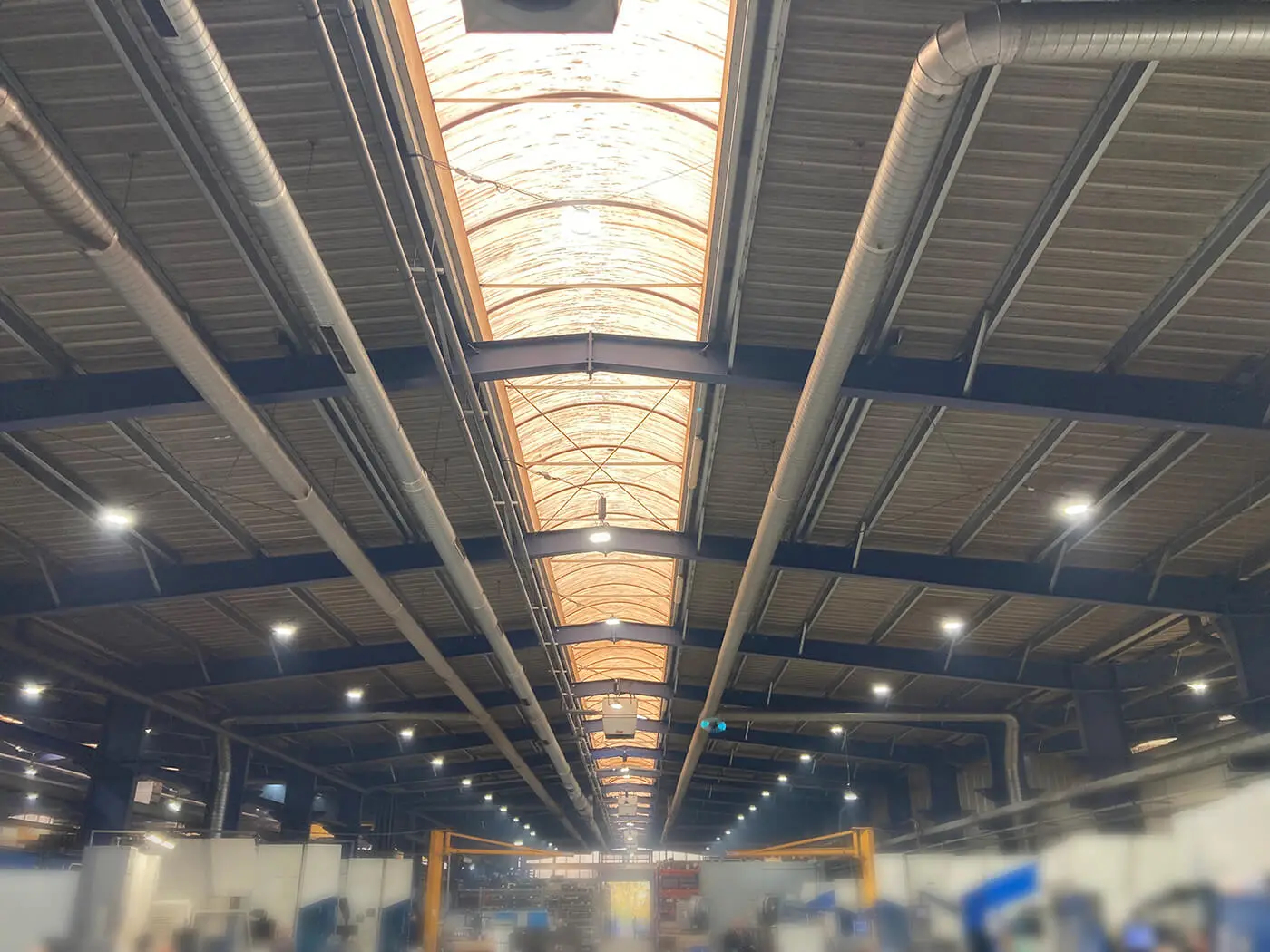
Lighting control is a simple and effective way to ensure optimal lighting conditions in any space.
A controlled lighting system significantly reduces energy consumption – it can save up to 80 % of electricity costs. Today’s lighting control systems offer intuitive operation and increasingly sophisticated functions. This allows us to tailor the lighting perfectly to your needs!

Lower costs
One of the biggest benefits of lighting controls – they save energy and money.

Advanced functions
Controlled lighting systems can also enable monitoring of CO2, temperature, noise, humidity, pressure, etc.

Easy implementation
Controls can easily be integrated into new and existing lighting systems, often without complex programming.

A better working environment
The right lighting supports productivity, concentration and the overall well-being of employees.

Longer luminaire lifetime
Optimised lighting reduces the operating temperature of the luminaires, which significantly extends their lifetime.

Intuitive operation
You can control the luminaires yourself, easily and conveniently, from a tablet, laptop or phone.
How does it all work?
Lighting control uses interconnected smart technologies that work together to optimise the lighting.

Sensors
collect data and pass it to the control system, or control a group of luminaires themselves.
Types of sensors

Motion sensor
switches the light on when motion is detected.

Presence sensor
detects movement as well as the static presence of people.

Light level sensor
adjusts the light output to the current lighting conditions.

Daylight sensor
regulates the output of the luminaires to make the best use of the available daylight.

Control unit
the brain of the system, which processes data from the sensors and controls the luminaires according to the settings.

LED luminaires
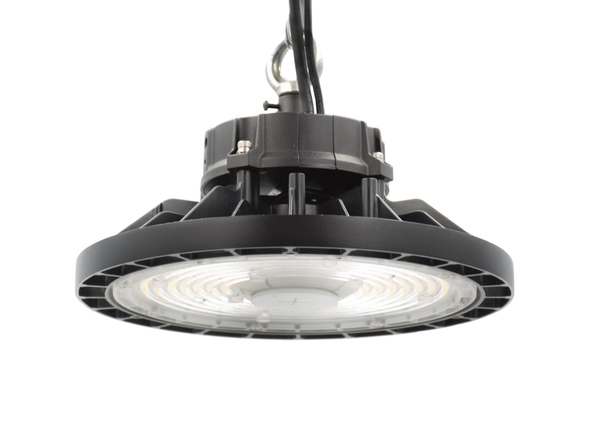
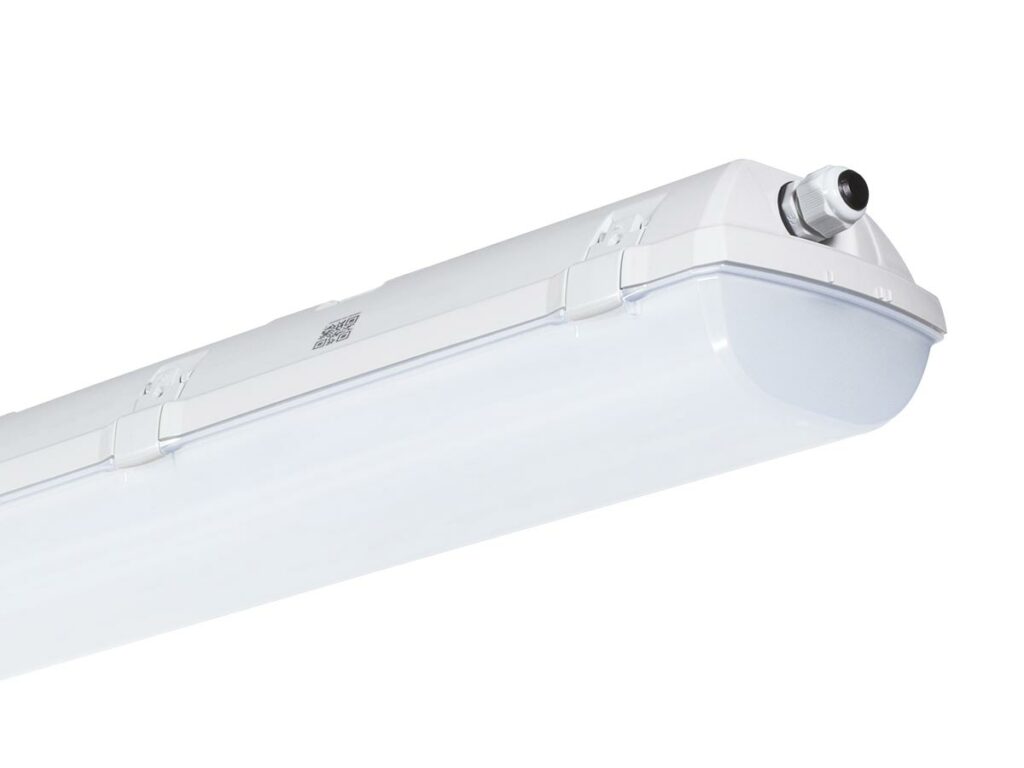
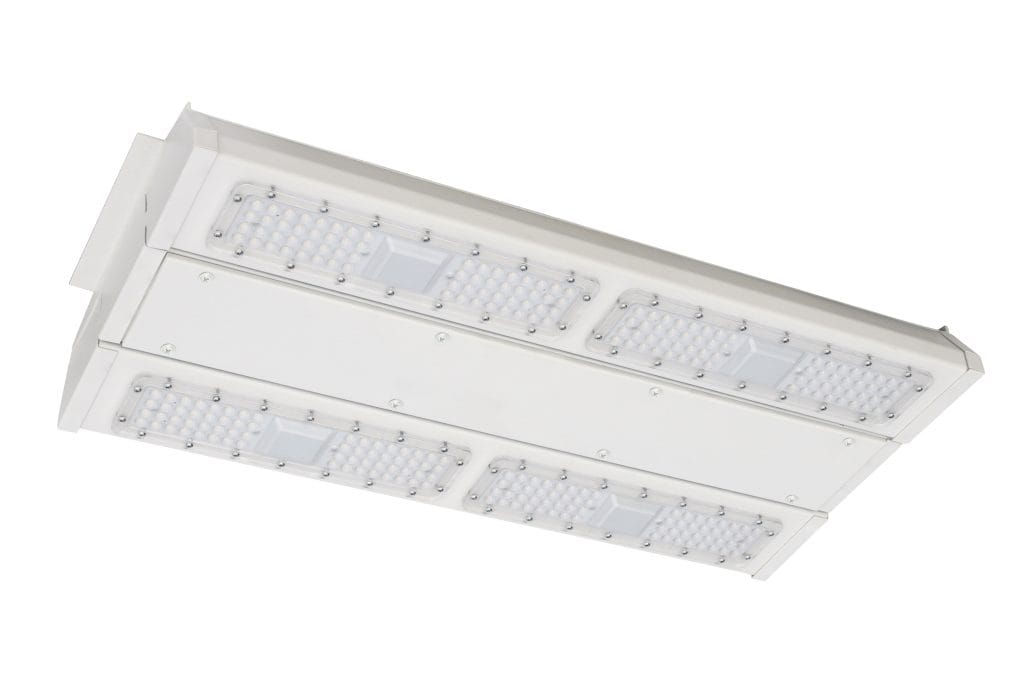
with variable intensity, light colour or other functions.

User interface
apps on mobile devices, tablets and laptops, or control panels and push buttons that allow easy operation and monitoring of the system.
Applications

SMART building
An intelligent building with greater savings and comfort
- SMART buildings are sustainable and efficient
- lighting is integrated into building management systems (BMS)
- connection with HVAC and security systems ensures maximum efficiency
- the systems can be conveniently controlled via an app
- wireless control allows easy installation without complex cabling

SMART city
An intelligent and sustainable city
- SMART cities improve residents’ quality of life and support sustainability
- lighting responds to current conditions, reducing energy consumption and light pollution
- SMART CITY enables data collection and remote control,
making the management of traffic, energy and public services more efficient - smart lighting can communicate with other systems – smart networks (IoT)



How we work
1
We find out your preferences and what you expect from lighting controls.
We base the design of the lighting control system on the layout and capabilities of the luminaires.
2
We assess the options for using control devices.
An effective lighting control system means choosing the right control devices and positioning them optimally according to their purpose and range.
3
We create a tailor-made control design for you.
We calculate the cost of the lighting controls and the payback period of the investment.
4
We supply the new solution.
We take care of installing and setting up the luminaires so that everything works as it should.
5
We make it easy for you to manage the control devices from your phone, computer or tablet.
We train you so that you can easily adjust everything yourself!
Frequently asked questions
Lighting control lets you adapt the luminaires to your needs while saving energy. This can include dimming, automatic switching on when motion or presence is detected, or connection to smart systems that adjust the light according to the time of day or your preferences.
Modern solutions make it possible to regulate light intensity, colour and colour temperature or to set time programmes, increasing both the efficiency of the lighting and overall comfort. Although these may seem like complex technologies at first glance, in reality they are often simple and easy to integrate.
Both – controls are a practical part of lighting for indoor and outdoor spaces. Indoors it is obvious – controls are used mainly in offices, shops, warehouses and gyms, but also in large office buildings and industrial halls.
They play an equally important role outdoors – on company sites, in parks and streets, on roads and at children’s playgrounds. Properly set controls can increase safety, save a significant amount of energy and adapt the lighting to the current needs of the environment.
The size of the saving depends on the specific solution. It usually ranges between 30 and 70 %, but in some cases it can reach up to 90 %. Take automatic dimming or motion and presence sensors, for example – small “gadgets” that do not cost much but are extremely effective. Even small adjustments can have a big impact – they can bring savings of hundreds to thousands of euros a year.
Besides lower costs, lighting control brings many other benefits – lighting conditions adapted to your preferences, a longer luminaire lifetime or the option of using the lighting to monitor CO2, temperature, noise, humidity, pressure and other parameters.
Many solutions also offer remote control via phone, tablet or computer. Thanks to the intuitive interface, you can set the lighting to suit you quickly and easily.
Recently, more and more emphasis has been placed on making lighting pleasant and supporting employee comfort. It has been shown that the right lighting has a positive effect on well-being, health and productivity.
We feel good where the lighting is optimal. Nothing disturbs us, we have enough light, but it does not dazzle us and it has the right colour and intensity.
Quality lighting with properly designed controls can improve concentration, reduce stress and eye strain and support the natural biorhythm. One example is dynamic lighting, which changes during the day. It makes the space feel very natural and employees feel comfortable in it.
Yes, controls can also be added to an existing lighting system. If the luminaires contain suitable drivers and support control modules, installation is quick and easy. If they are not prepared for this, the solution is to replace the drivers and add control modules. In some cases, changes to the electrical installation may also be needed, which is a more substantial job.
No. There are cases where controls will not bring the expected benefit. For example, in spaces without daylight where the lighting is used only briefly and irregularly, an investment in controls may not pay off. If you have, say, a small warehouse where the lights are on for only a few hours a day, the energy savings may be minimal.
Lighting control brings the greatest benefit where luminaires are used intensively, where lighting conditions need to be adapted or where energy savings and comfort are a priority.
For completely new lighting, controls should ideally be included in the lighting design from the start. Installation and configuration are specialist tasks, but they are neither complicated nor time-consuming.
If you do not plan to install controls straight away but want to keep the option of adding them in the future, it is enough to prepare for it – use addressable drivers (e.g. DALI) and provide suitable cabling. The controls can then be added at any time later without major work.
The price depends on the type of system and the size of the space. Smaller systems are available for a few hundred euros, while comprehensive solutions for large buildings cost thousands.
In most cases, however, the investment pays for itself quickly thanks to energy savings, and the longer luminaire lifetime brings further savings in the long term. Controls pay off especially where luminaires are on for long hours every day – in offices, production halls, warehouses or public spaces.
The lifetime of a control system depends on its type, the quality of its components and how it is used. In general, control modules and sensors have a lifetime comparable to the luminaires themselves, i.e. 10 – 15 years, sometimes even more.
Correct installation and maintenance play an important role, though. If the system is well designed and regularly checked, it can work reliably for many years. Software solutions may need occasional updates, but the physical components usually do not need frequent replacement.